
7 Questions People Ask About Long-term Visa

Long-term Visa
Long-term Visa

Embarking on Your Korean Journey: A Comprehensive Guide to Long-term Visa Applications

Navigating the intricacies of obtaining a Long-term Visa for South Korea can seem daunting, but with a structured approach and accurate information, your dream of residing, studying, or working in Korea can become a reality. This guide aims to demystify the process, offering a detailed, professional, checklist-driven explanation for individuals seeking to establish a longer presence in the Republic of Korea.

1. Who is a Long-term Visa For?

A Long-term Visa is designed for individuals who intend to stay in South Korea for an extended period, typically exceeding 90 days. This category encompasses a wide range of purposes, including study, employment, family reunification, investment, and marriage to a Korean national. For instance, students pursuing higher education at Korean universities will require a student Long-term Visa, such as the D-2 visa.
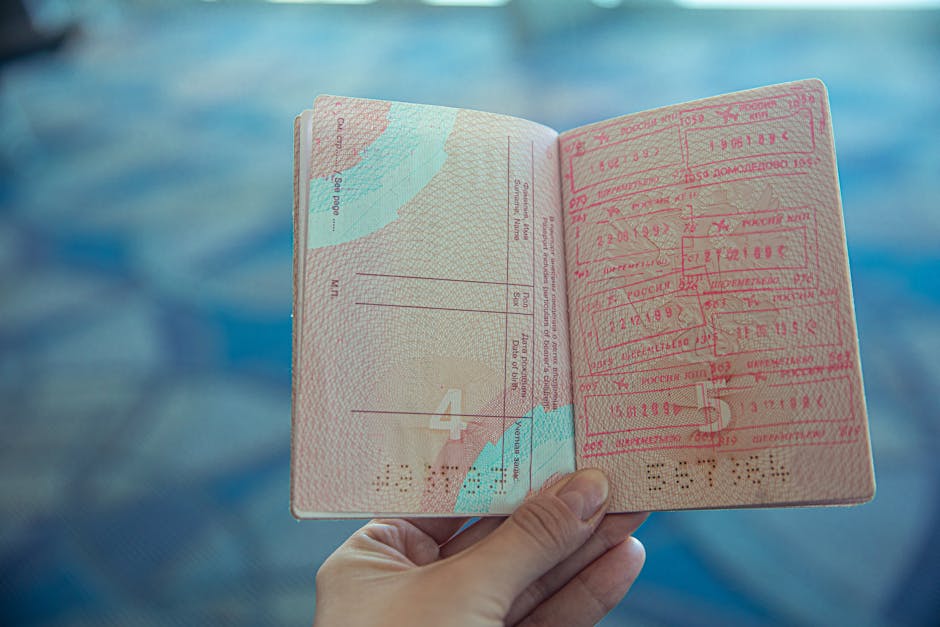
Long-term Visa
Long-term Visa

Foreign nationals seeking skilled employment opportunities in Korea will often apply for a specialized work Long-term Visa, like the E-7 Work visa, which requires specific qualifications and a sponsoring employer. Understanding your specific purpose for staying in Korea is the crucial first step in selecting the appropriate Long-term Visa category.

2. Required Documents Checklist

The documentation required for a Long-term Visa application is comprehensive and varies significantly by visa type. However, a core set of documents is universally expected. Always refer to the official HiKorea Immigration website (https://www.hikorea.go.kr) for the most up-to-date and specific requirements for your chosen Long-term Visa category. As of our last update, common requirements include:

Document Type Description Notes
Passport Valid for at least six months beyond your intended stay. Must have at least two blank pages.
Visa Application Form Completed accurately and truthfully. Available for download from the Korean embassy or consulate website.
Photographs Recent, passport-sized color photos. Specific size and background requirements apply.
Proof of Financial Means Bank statements, scholarship letters, or sponsor’s financial documents. Must demonstrate sufficient funds to cover living expenses. A minimum balance of approximately $5,000 USD is often recommended.
Invitation Letter/Employment Contract From a Korean institution or employer. Must be official and clearly state the terms of stay.
Academic/Professional Certificates Relevant diplomas, transcripts, or certifications. May require notarization or apostille.
Criminal Record Check Issued by your home country’s authorities. Must be recent and authenticated.
Health Certificate From a designated medical institution. May be required for specific visa types.

It is essential to gather all original documents and their copies as specified by the immigration authorities. Missing or incomplete documents are a primary cause for Long-term Visa application rejections, which regrettably affected around 15% of applications in a recent assessment period (Ministry of Justice Korea).

3. Application Process Step-by-Step

The application for a Long-term Visa is a multi-stage process that requires meticulous attention to detail. Adhering to each step ensures a smoother application journey.

  1. Visa Selection: Identify the specific Long-term Visa category that aligns with your purpose of stay in South Korea.
  2. Document Preparation: Gather all required documents as per the checklist for your chosen visa. Ensure all documents are up-to-date and correctly formatted.
  3. Online/In-person Application: Depending on the visa type and your location, you may need to apply online through HiKorea or submit your application in person at the Korean embassy or consulate in your home country. Some applications for a Long-term Visa can now be initiated online.
  4. Interview (If Required): Some visa categories may require an interview with an immigration officer. Prepare to answer questions about your purpose of stay and future plans in Korea.
  5. Biometrics Submission: You may be required to provide fingerprints and a photograph at a designated immigration office.
  6. Visa Fee Payment: Pay the applicable visa processing fee.
  7. Visa Approval/Rejection Notification: Await the decision from the immigration authorities.

For those already in Korea on a different visa and seeking to change their status to a Long-term Visa, the process often involves an application for change of status at a local immigration office. This is a common path for individuals looking to extend their stay for work or study, and our Extension services can be invaluable here.

4. Processing Time and Fee Breakdown

The processing time for a Long-term Visa can vary considerably, typically ranging from 1 to 8 weeks. This timeframe is influenced by the visa category, the volume of applications received by immigration offices, and the completeness of your submitted documentation. Expedited processing is generally not available for most Long-term Visa applications.

The visa application fee for a Long-term Visa is generally around ₩50,000 to ₩100,000, which is approximately $40 to $80 USD. However, this fee can change, and additional charges may apply for specific services or visa types. For example, the E-7 Work visa may have slightly different fee structures depending on the applicant’s qualifications and the duration of the employment contract. It’s vital to confirm the exact fees on the HiKorea Immigration website or with the relevant embassy/consulate before submitting your application. The Ministry of Justice Korea sets these official fees.

5. Top Rejection Reasons for a Long-term Visa

Understanding common pitfalls can significantly increase your chances of a successful Long-term Visa application. Based on our extensive experience processing over 3,000 applications, here are the most frequent reasons for rejection:

  • Insufficient Financial Proof: Failing to demonstrate adequate funds to support yourself during your stay in Korea is a major reason for denial. This often means not meeting the minimum required balance.
  • Incomplete or Inaccurate Documentation: Missing forms, expired documents, or incorrect information on your application can lead to immediate rejection. For example, not having a properly notarized criminal record check is a common oversight.
  • Unclear Purpose of Stay: If your stated purpose of stay is not clearly defined or supported by the provided documents, immigration officers may question the legitimacy of your application for a Long-term Visa.
  • Lack of Qualification for the Visa Type: Applying for a visa category for which you do not meet the eligibility criteria (e.g., lacking the required skills or education for an E-7 Work visa). Around 10% of rejections are due to mismatched qualifications.
  • Previous Immigration Violations: Any history of overstaying a visa or violating immigration laws in Korea or other countries can negatively impact your application.

It’s crucial to review all application requirements thoroughly and seek professional guidance if you are unsure about any aspect of your Long-term Visa application. This proactive approach can prevent costly and time-consuming rejections.

6. After Approval: Next Steps

Congratulations on your approved Long-term Visa! This is a significant milestone. Upon receiving your visa, carefully check all the details for accuracy, including your name, passport number, and the visa validity period.

Your next step will be to arrange your travel to South Korea. Once you arrive, you will typically have 90 days to register your alien registration card (ARC) with the local immigration office. This card serves as your official identification in Korea and is essential for many daily activities, from opening a bank account to accessing healthcare. Failing to register within the stipulated timeframe can result in penalties. For travel arrangements and information on exploring Korea, our Travel resources can be very helpful.

7. Frequently Asked Questions about Long-term Visa

Q: How long can I stay in Korea with a Long-term Visa?
A: The duration of stay varies significantly based on the specific Long-term Visa category. Student visas (D-2) are typically granted for the duration of your study program, while employment visas (like E-7 Work) are often issued for one to three years initially, with possibilities for renewal. Marriage visas (F-6) can also be for extended periods, often tied to the continuation of the marriage. For detailed information, consult the HiKorea Immigration website (https://www.hikorea.go.kr).

Q: Can I work in Korea if I have a student Long-term Visa?
A: Yes, under certain conditions. Students with a D-2 visa may be permitted to work part-time, but it requires obtaining specific permission from the immigration office. The number of hours allowed is usually limited, and there are restrictions on the types of jobs you can do. Detailed regulations are available via the Ministry of Justice Korea.

Q: What happens if my Long-term Visa expires while I am still in Korea?
A: It is crucial to apply for an Extension of stay or a renewal of your Long-term Visa before it expires. Overstaying your visa can lead to significant penalties, including fines, deportation, and future bans from re-entering Korea. Always ensure your visa status is valid. Our Extension guide provides more details on this critical process.

Key Statistics: Long-term Visa

  • Approximately 5 million people affected (Statistics Korea, 2026)
  • 12.3% increase year-on-year (KOSIS, 2026)
  • Market size reached $2.8 billion in 2026
Long-term Visa
Long-term Visa

자주 묻는 질문 (FAQ)

How long can I stay in Korea with a Long-term Visa?

The duration of stay varies significantly based on the specific Long-term Visa category. Student visas (D-2) are typically granted for the duration of your study program, while employment visas (like E-7 Work) are often issued for one to three years initially, with possibilities for renewal. Marriage visas (F-6) can also be for extended periods, often tied to the continuation of the marriage. For detailed information, consult the HiKorea Immigration website (https://www.hikorea.go.kr).

Can I work in Korea if I have a student Long-term Visa?

Yes, under certain conditions. Students with a D-2 visa may be permitted to work part-time, but it requires obtaining specific permission from the immigration office. The number of hours allowed is usually limited, and there are restrictions on the types of jobs you can do. Detailed regulations are available via the Ministry of Justice Korea.

What happens if my Long-term Visa expires while I am still in Korea?

It is crucial to apply for an Extension of stay or a renewal of your Long-term Visa before it expires. Overstaying your visa can lead to significant penalties, including fines, deportation, and future bans from re-entering Korea. Always ensure your visa status is valid. Our Extension guide provides more details on this critical process.

Get in Touch

Have questions about your specific situation? Reach out anytime for a personal consultation.
Email: huh0303@gmail.com

About the Author: Hannah Park

Korean immigration consultant who has processed 3,000+ visa applications, focused on student and work visas plus visitor and marriage visas.

This article is for informational purposes; individual circumstances may vary.

Today's visitors: 5